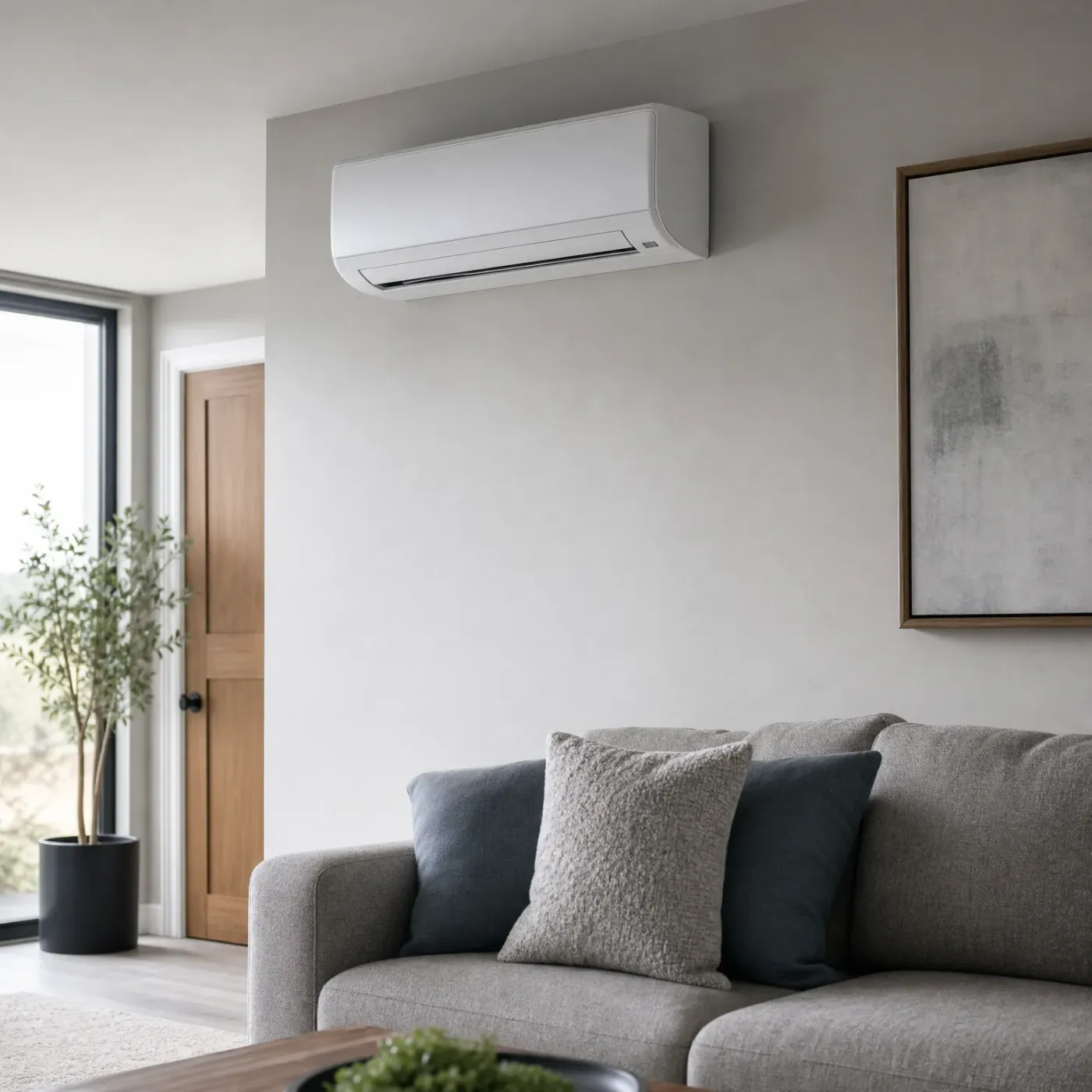
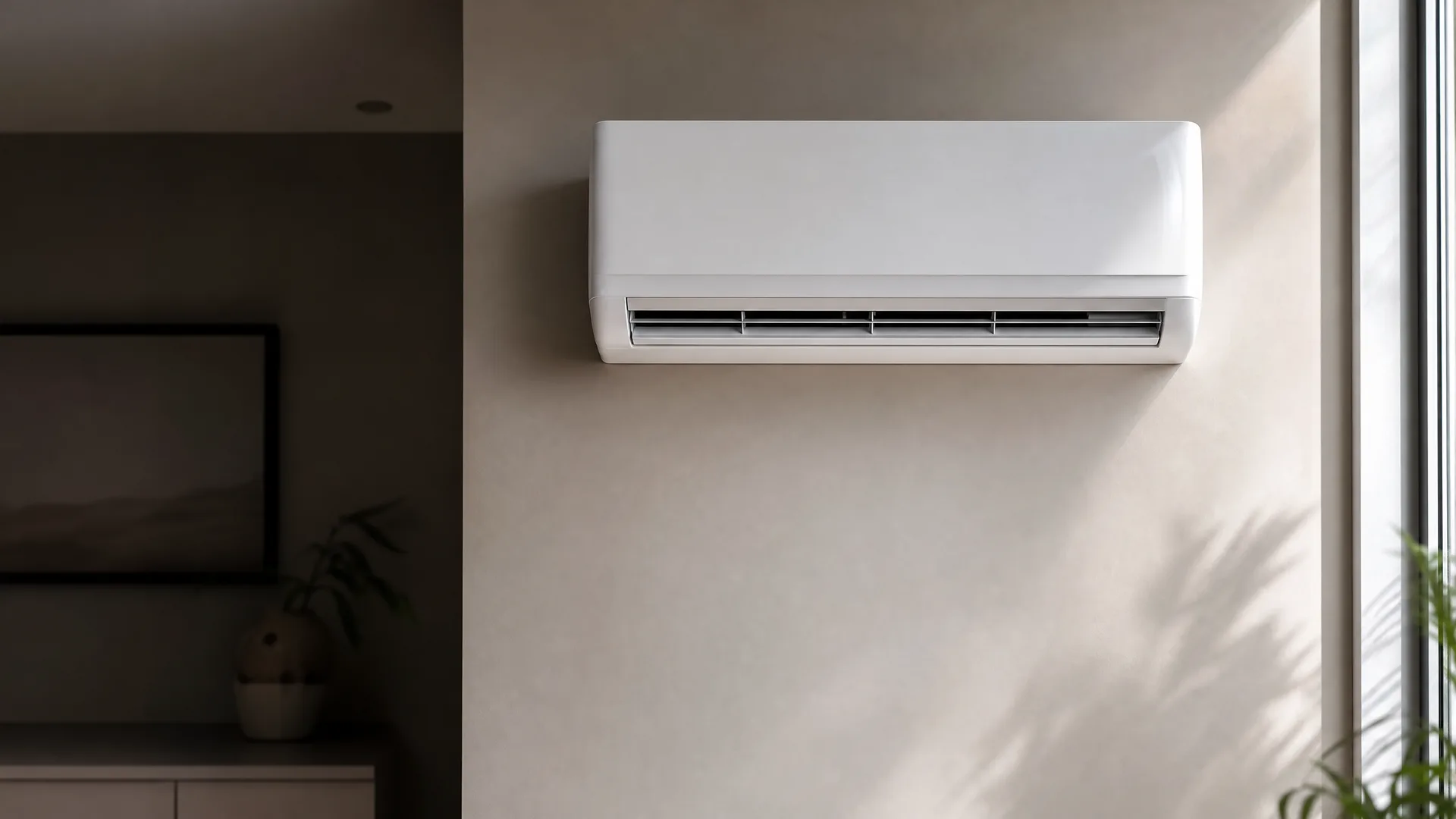
Adding a mini split to a Rhode Island home with a furnace
A local installer who puts in mini splits gets your project.
A mini split alongside a gas furnace is a common setup in Rhode Island. The furnace carries you through the cold months, and the mini split takes over when the air gets heavy and sticky, without running your central air off the same electric rates that already run high here.
Adding one to a house that already has ductwork and a furnace is not the same job as putting one in a house with no HVAC at all. The line set, the electrical circuit, where the outdoor unit sits against your foundation or siding, how the indoor head ties into the room you're trying to cool. Someone has to look at your house specifically to tell you what that involves.
That's the part that takes the time most people don't expect to spend. Calling a few contractors, waiting on callbacks, explaining the same thing about your furnace and your house to each one, then trying to compare quotes that aren't quite answering the same question. It adds up before anyone has even looked at your walls.
This page connects you with a contractor who installs mini splits in homes like yours, gas furnace and all, and who will reach out to you directly once you're matched. You won't need to re-explain your setup to five different companies or guess which quote actually covers the work you need done.
What happens after that, the walkthrough, the quote, the install itself, is between you and that contractor. What this page does is skip the part where you're the one doing the legwork to find someone worth calling. You get matched, they call you, and you go from there.
A mini split works alongside your furnace instead of replacing it. Your furnace keeps running on gas through the winter, and the mini split handles cooling and takes the edge off those sticky Rhode Island summer days room by room. Installing one means running a line set and mounting an outdoor condenser, plus an indoor air handler in the room or zone it serves. It doesn't touch your furnace or your ductwork, so your heating setup stays exactly as it is. Most homeowners add a mini split to cool a room central air doesn't reach well, or to get cooling without pushing their electric bill up through a whole-house AC system. Since Rhode Island power rates run high, a mini split that only conditions the space you're using can end up being the more practical way to cool your home.
The outdoor compressor and the indoor head do the work between them, connected by a line set that runs through one small hole in your wall. No ducts involved. Refrigerant moves through that line set, picking up heat from inside and carrying it out, which is why the indoor unit can cool a room on its own. The compressor is inverter driven, so it ramps up and down with how hard the room is working instead of just clicking on and off. That matters in Rhode Island summers because the unit keeps running at low speed long enough to actually wring the moisture out of the air, instead of cooling it fast and leaving it feeling damp. A contractor installing one has to pick the right exterior wall, find a spot outside where snow won't bury the compressor, run a dedicated circuit for it, and route a condensate line so the water the indoor head pulls out of the air has somewhere to go. Getting the size right for the room counts for as much as any of that. Too big and it cools fast but never runs long enough to dry the air out.
How a mini split actually works
A mini split has two main parts, an outdoor compressor unit and an indoor air handler mounted high on a wall, connected by a line set run through a small hole in the wall.
The line set carries refrigerant between the two units, so cooling the room happens without any ductwork at all.
An inverter-driven compressor adjusts its speed to match the room's load instead of switching fully on and off like a window unit.
Installation means a licensed contractor has to pick an exterior wall for the line set, find a spot for the outdoor unit clear of snow buildup, and run a dedicated electrical circuit.
The indoor head needs a condensate drain line to carry away the moisture it pulls out of the air on humid days.
Sizing the unit to the room matters more than most people expect, since an oversized head cools the air fast but leaves it clammy because it never runs long enough to pull out the moisture.
Before you get your mini split installationAfter you get your mini split installation
Get the right pro for your mini split
Skip collecting and comparing quotes for the new mini split.
Get in touch with a local installer about a new mini split.
Asking costs nothing, and the choice to hire stays yours.
Why does the upstairs never cool down in July?
If you're reading this, your central air is probably fighting the same muggy air every house in Rhode Island deals with from June through September, and the room farthest from the thermostat is losing. Maybe it's a bedroom over the garage, or a finished attic, or an add-on that was never really tied into the ductwork right. You notice it most at night, when the air just sits there heavy even with a window fan going. Running the central air harder doesn't fix a room the ducts weren't built to serve well, and on Rhode Island's electric rates, that extra runtime shows up on the bill without actually solving the problem.
1
The contractor sizes the mini split to the room, not the whole house.
2
A small hole gets drilled through the exterior wall for the line set.
3
The indoor air handler mounts high on the wall near that hole.
4
The outdoor compressor unit sits on a pad or bracket outside.
One Zone or Multiple
One zone
Covers the one room that never cools down, usually a bonus room or upstairs bedroom far from the thermostat.
Costs less upfront since there's one outdoor compressor and one indoor air handler to install.
Leaves the rest of the house on whatever your central air or window units are already doing.
A single small hole through one exterior wall, so less work on the siding or brick.
If a second room turns out to need it later, that's a separate line set and a separate hole.
Multi-zone
One outdoor compressor can run two, three or four indoor air handlers, each in a different room.
Each indoor unit has its own thermostat, so you can cool the upstairs without touching the living room.
Costs more upfront than a single zone, since you're paying for every indoor unit and its install.
One outdoor compressor means one spot to find outside your house instead of several.
Makes sense if more than one room fights the same muggy air every summer, not just one.
A National Weather Service dew point average puts summer air in Rhode Island at 61°F across June, July and August. That's the sticky range, the kind of air that feels wet even standing still. A mini split pulls moisture out of the room as it cools, more than your central air does, because it runs longer at low speed instead of cycling on and off. That's why the room with the mini split feels dry and even, while the rest of the house still feels thick and damp on the same muggy afternoon.
NASA POWER T2MDEW county cells weighted by homes
Running clean
The vents sit open and the casing is white, the way it looked on install day. Air comes out cold within a minute or two of switching on. On a sticky Rhode Island afternoon it pulls the damp out of the room along with the heat, and the room holds steady without the furnace or central air doing any of that work.
Neglected and struggling
Dust has worked into the casing and the plastic has yellowed with age. The vents stay open but the room takes longer to cool, if it cools evenly at all. A unit left like this is usually also short on filter cleaning, and it ends up running longer to do less, which shows up on a power bill that's already high in this state.
Power costs 29.48 cents per kilowatt-hour statewide
At 29.48 cents per kilowatt-hour, every hour your central air runs costs more than it would most other places. A mini split only cools the room you're using, so you're paying that rate for one space instead of pushing air through the whole house to fix one bad room.
EIA-861 2025 statewide residential average
Furnace for heat, mini split for the room that never cools
Your furnace still carries the gas heat from fall through spring, and the mini split only takes over the cooling side.
A mini split handles the one room central air can't keep up with, running on its own line set and compressor.
At 29.48 cents per kilowatt-hour, cooling just that room instead of the whole house is what keeps the bill in check.
Rhode Island's summer dew point near 61°F is what makes the room feel damp even after central air has cycled off.
Sizing and placement, the line set hole, the wall mount height, the compressor location, all need a contractor who's done this before.
Comparing quotes and explaining the same upstairs-room problem to three different installers is the part a matched contractor skips for you.
A furnace and a mini split split the job instead of competing for it. Gas carries you through a Rhode Island winter the way it always has, and the mini split takes over the one room your central air can't reach once the dew point climbs. Nothing about the furnace side changes. What changes is that room upstairs, or that bonus room over the garage, finally gets its own cooling, sized and placed for that space and billed at the rate for running one unit instead of the whole house.
None of that happens from picking a mini split off a shelf. Where the line set hole goes, how high the air handler sits, where the compressor can run without bothering a neighbor or blocking a walkway, these are decisions a contractor who has installed dozens of them makes without thinking twice. Get them wrong and the unit still cools, just not as well as it should have.
The part that wears on you before you even get to installation day is everything leading up to it. Finding a few licensed contractors, calling each one, describing the same upstairs room and the same central air that can't keep it cool, waiting on quotes that come back on different days in different formats. Getting matched with a contractor who already knows this setup skips that part. The work of the install is still real work. The work of finding someone to trust with it is the part you no longer have to do yourself.