
What Rhode Island homes are up against.
NOAA National Centers for Environmental Information, Storm Events Database, bulk CSV export, events 2015-01-01 through 2024-12-31. · U.S. Census Bureau, 2020-2024 American Community Survey 5-Year Estimates

A mini split installed here is asked to produce heat almost continuously from fall through late spring. Homes in Rhode Island run heat about eight months a year, from October through May. That kind of sustained demand loads the compressor and the heat exchanger hard, and a system that was undersized or poorly commissioned at the start shows it sooner rather than later, because there are few off-months where slack in the setup goes unnoticed. A contractor who knows this climate sizes and installs to what the equipment will actually face, not to what looks adequate on a mild day. Local conditions within the state still determine how hard any given system has to work to hold temperature, which is what the rest of this page covers.

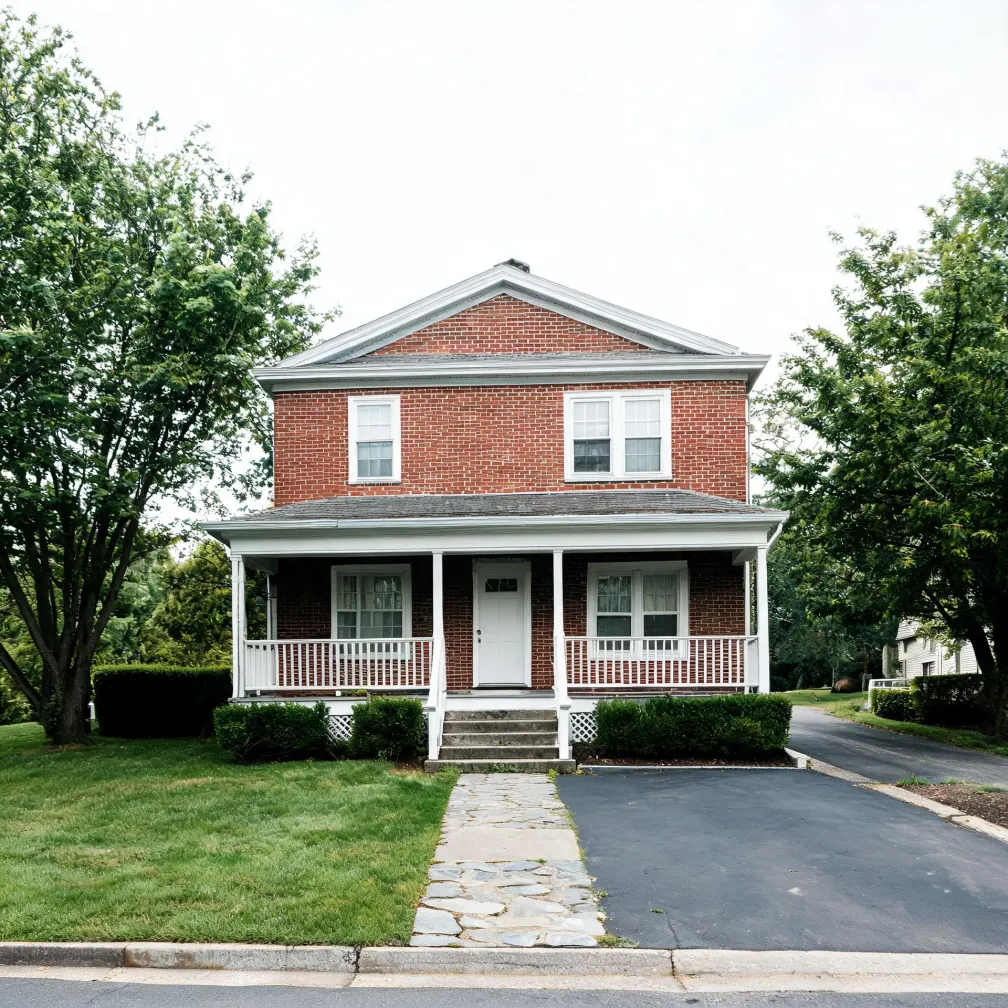
Before a contractor can size a mini split for a Rhode Island home, the electrical panel has to be opened and read, not estimated from the outside. Half the homes in Rhode Island were built in 1962 or earlier (2020-2024 ACS 5-year). A house built to the standards in use then was wired for a different load profile than a mini split draws, and whether the service has been upgraded since is something only the panel reveals. Ductwork, if it exists, gets the same treatment: its condition and routing are assessed on site, because neither can be assumed from the street.
Does your county put extra stress on HVAC equipment in Rhode Island?
2015–2024 · Source: NOAA National Centers for Environmental Information, Storm Events Database.
A condenser sitting outside in Rhode Island faces wind, ice, flooding, and heat depending on the season and the site. Equipment that is undersized, poorly positioned, or sealed against the wrong conditions wears faster and works harder than it should. The contractor you are matched with sizes and places equipment for what your specific location actually demands.
Rhode Island HVAC Installation and Repair License Requirements
Rhode Island sets its own licensing rules for HVAC installation and repair work, and the provisions below are quoted directly from state law rather than paraphrased.
A Rhode Island master licensee needs no separate sheet metal licence while the air handling equipment is ten (10) tons or less, or the heating equipment does not exceed 250,000 BTUs; above either figure the sheet metal work must be subcontracted to a licensed sheet metal contractor.
A state license for this trade sets the line between who is legally permitted to do this work and who is not. For a homeowner, that line matters at the moment you choose a contractor. The contractors this site routes requests to hold the license Rhode Island requires, and passing that bar is what gets a contractor in front of you.
See the source provisions2 provisions
A Rhode Island master licensee needs no separate sheet metal licence while the air handling equipment is ten (10) tons or less, or the heating equipment does not exceed 250,000 BTUs; above either figure the sheet metal work must be subcontracted to a licensed sheet metal contractor.
Rhode Island requires a licence from the Department of Labor and Training to work in the mechanical trades: nobody may hold themselves out as a master, or advertise that they will install refrigeration and air conditioning or air distribution systems, without one.