Tell us about the job
Takes about a minute. No obligation.
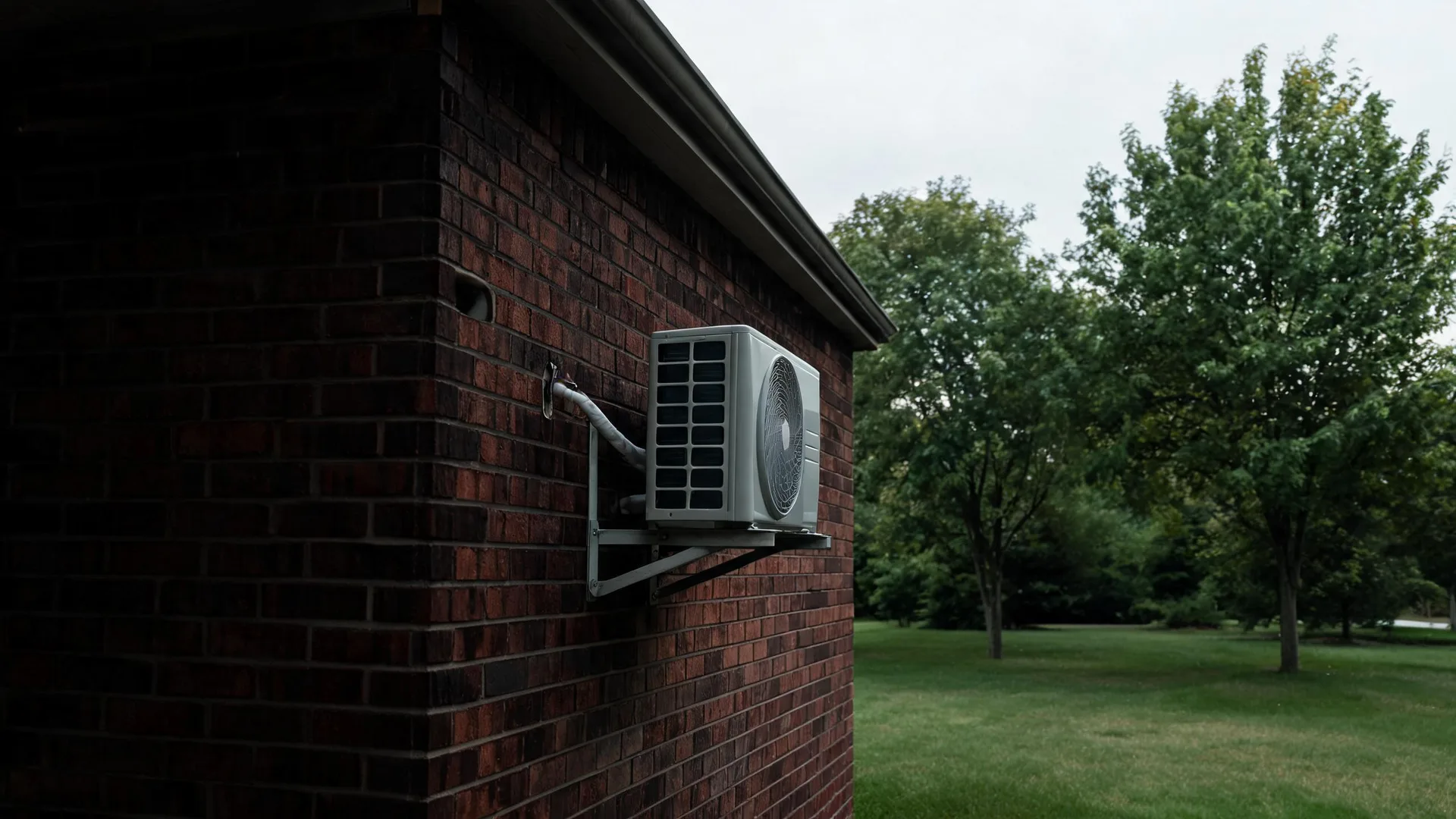
Sizing a mini-split for a Providence County home starts with what the compressor is actually asked to do. Homes in Providence County, RI run cooling about two months a year, from July through August. That short cooling window means the compressor cycles hard in bursts rather than building wear across a long grind, so when a unit underperforms, a contractor looks at the installation first: line set length, refrigerant charge, and whether the indoor head was placed where the load actually is. A unit that was sized or mounted wrong will announce itself fast when summer arrives and every room is calling for cooling at once.
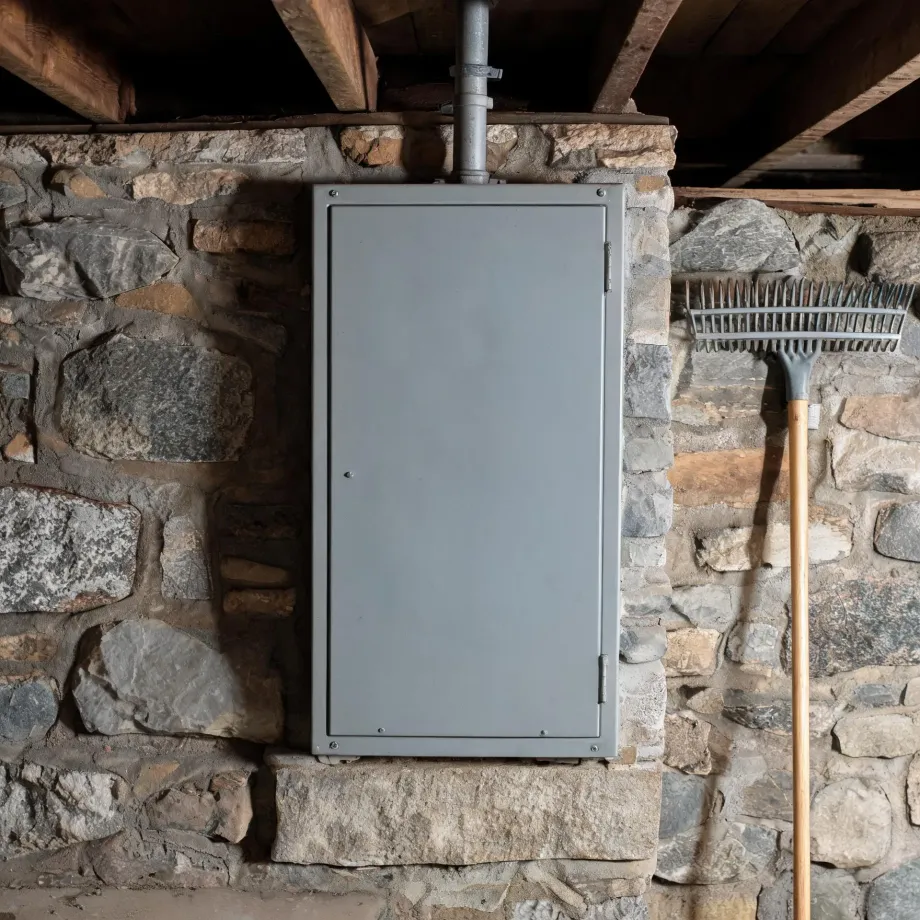
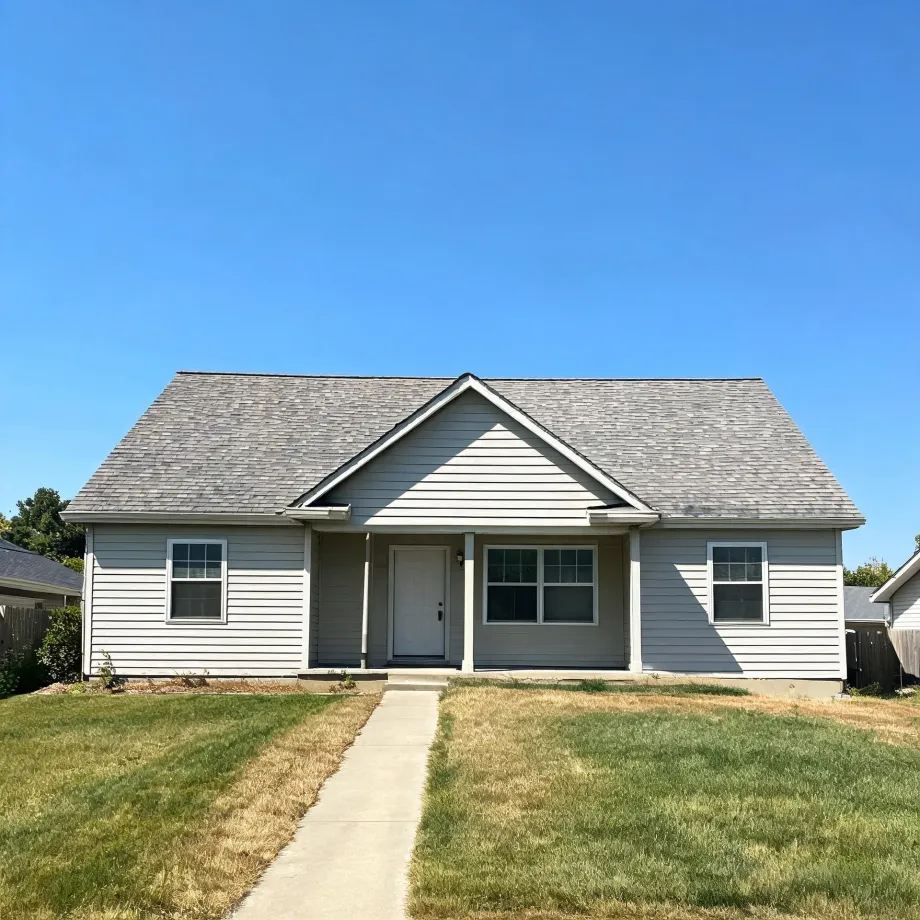
The electrical panel is where most mini-split installations in this county run into their first real decision. Half the homes in Providence County, Rhode Island were built in 1956 or earlier (2020-2024 ACS 5-year). Wiring put in for the heating equipment of that era was sized for it, and a contractor assessing a new install has to establish what the panel actually carries before anything else gets priced. A house that looks straightforward from the outside can require a service upgrade before the mini-split work begins at all.
The Parts of a Mini-split System and What HVAC Installation Covers
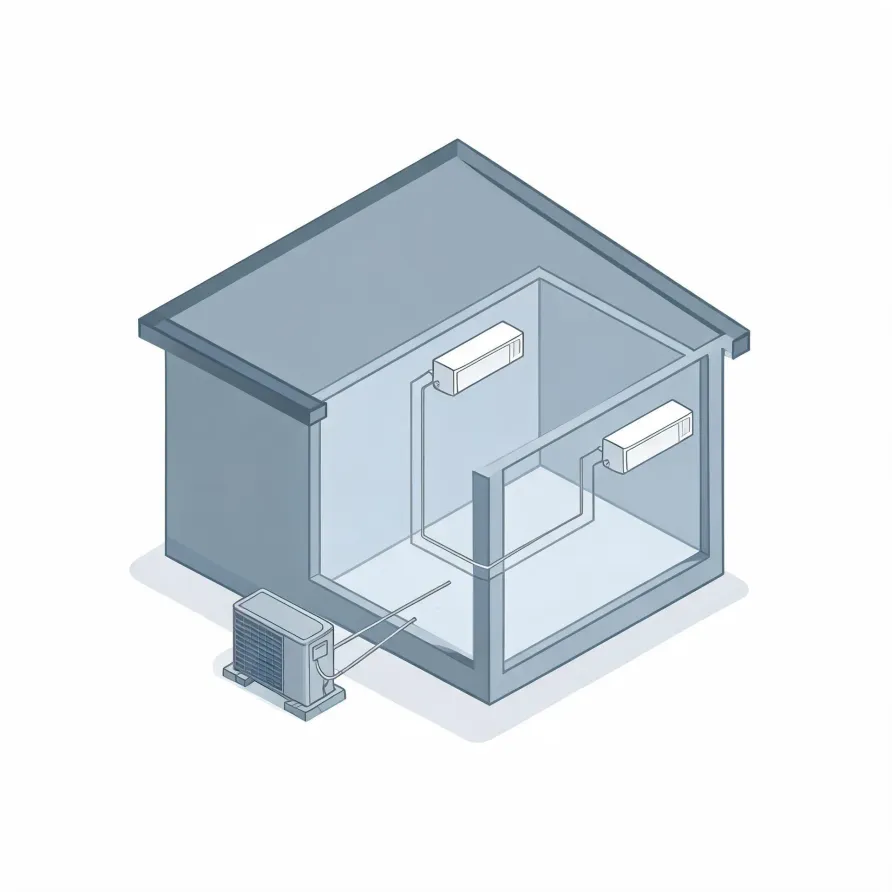
The indoor air handler mounts high on an interior wall inside the room being conditioned. It is the piece the homeowner sees every day, and it is where conditioned air enters the living space. The outdoor condenser unit sits on the ground or a wall bracket outside the house and holds the compressor, which does the core mechanical work of the system.
A refrigerant line set runs through a small opening in the wall to connect the two units, carrying refrigerant between them. A condensate drain line runs alongside it, moving moisture pulled from the indoor air to the outside. A dedicated electrical line feeds the outdoor unit, and a smaller signal wire carries communication between the two halves of the system.
The drawing shows a typical layout, and a licensed contractor determines exactly how each component is positioned and routed for your specific home.
Find a contractor in Providence CountyProvidence County, in the data
236 severe weather events were recorded in Providence County, Rhode Island between 2015 and 2024.
NOAA National Centers for Environmental Information, Storm Events Database, bulk CSV export, events 2015-01-01 through 2024-12-31.Half the homes in Providence County, Rhode Island were built in 1956 or earlier (2020-2024 ACS 5-year).
U.S. Census Bureau, 2020-2024 American Community Survey 5-Year EstimatesProvidence County, Rhode Island holds 277,740 housing units (2020-2024 ACS 5-year).
U.S. Census Bureau, 2020-2024 American Community Survey 5-Year EstimatesOwners occupy 56.9% of the occupied homes in Providence County, Rhode Island (2020-2024 ACS 5-year).
U.S. Census Bureau, 2020-2024 American Community Survey 5-Year EstimatesRules & Standards Behind Mini-Split Installation in Providence County, Rhode Island2 sourced rules and standards
Licensing and Legal Requirements in Providence County, Rhode Island
A Rhode Island master licensee needs no separate sheet metal licence while the air handling equipment is ten (10) tons or less, or the heating equipment does not exceed 250,000 BTUs; above either figure the sheet metal work must be subcontracted to a licensed sheet metal contractor.
Rhode Island requires a licence from the Department of Labor and Training to work in the mechanical trades: nobody may hold themselves out as a master, or advertise that they will install refrigeration and air conditioning or air distribution systems, without one.
Severe Weather Events in Providence County
Heating and cooling equipment in Providence County works against whatever the local climate throws at it, and that load varies year to year depending on how hard the weather runs. A mini-split sized and installed for real local conditions holds up better than one spec'd to a generic standard.
236 severe weather events, 2015–2024. Source: NOAA National Centers for Environmental Information, Storm Events Database.