Tell us about the job
Takes about a minute. No obligation.

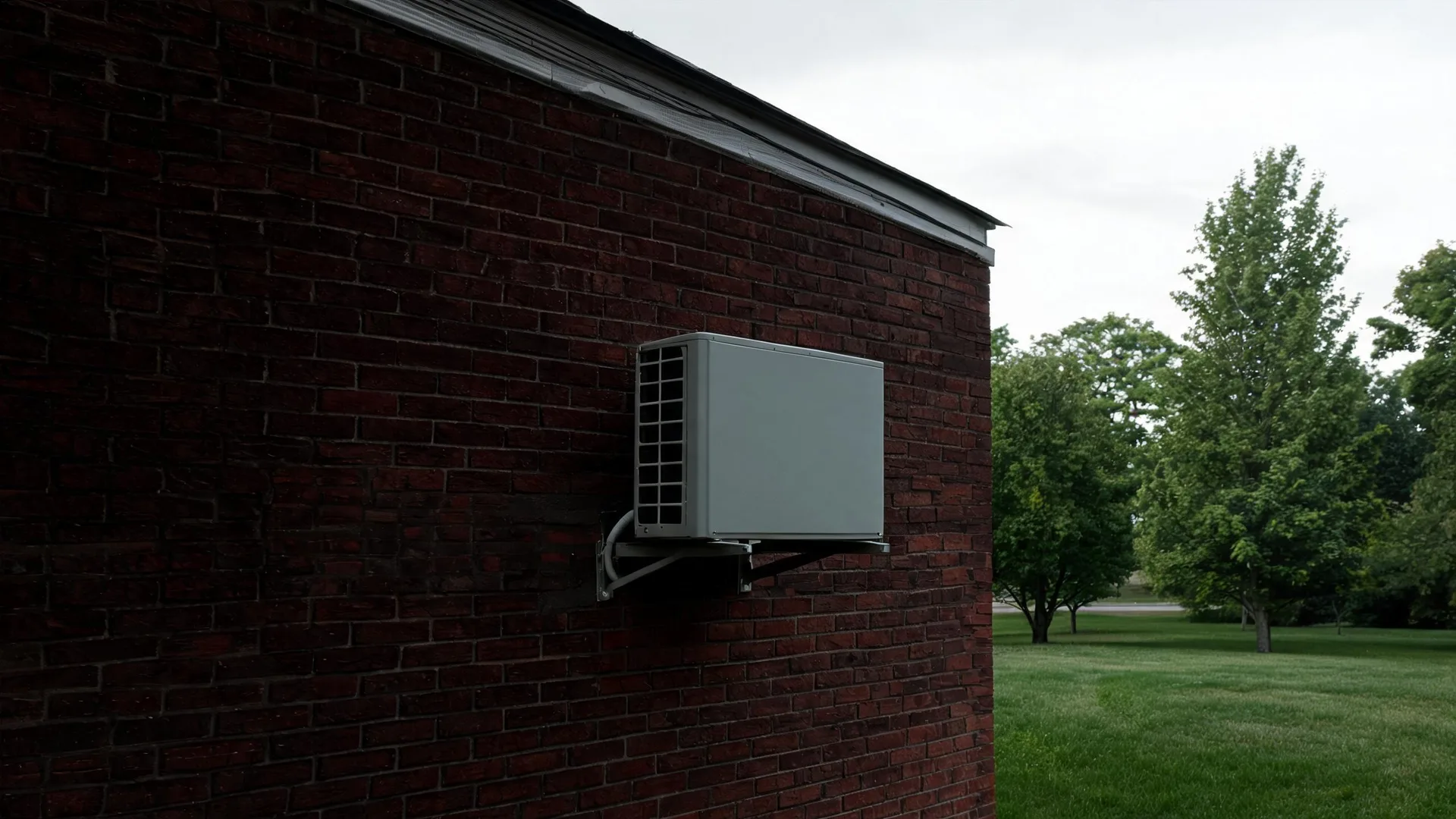
A mini-split compressor that quits in July likely failed long before July. Homes in Washington County, RI run cooling about two months a year, from July through August. The refrigerant circuit, the contactor, and the capacitor all sit dormant through fall, winter, and spring, and faults that develop during that idle stretch stay hidden until the unit starts up under load. A contractor diagnosing a repair here checks those components for corrosion, electrical wear, and refrigerant pressure before concluding the compressor itself is gone, because a short cooling season leaves little runtime to blame.
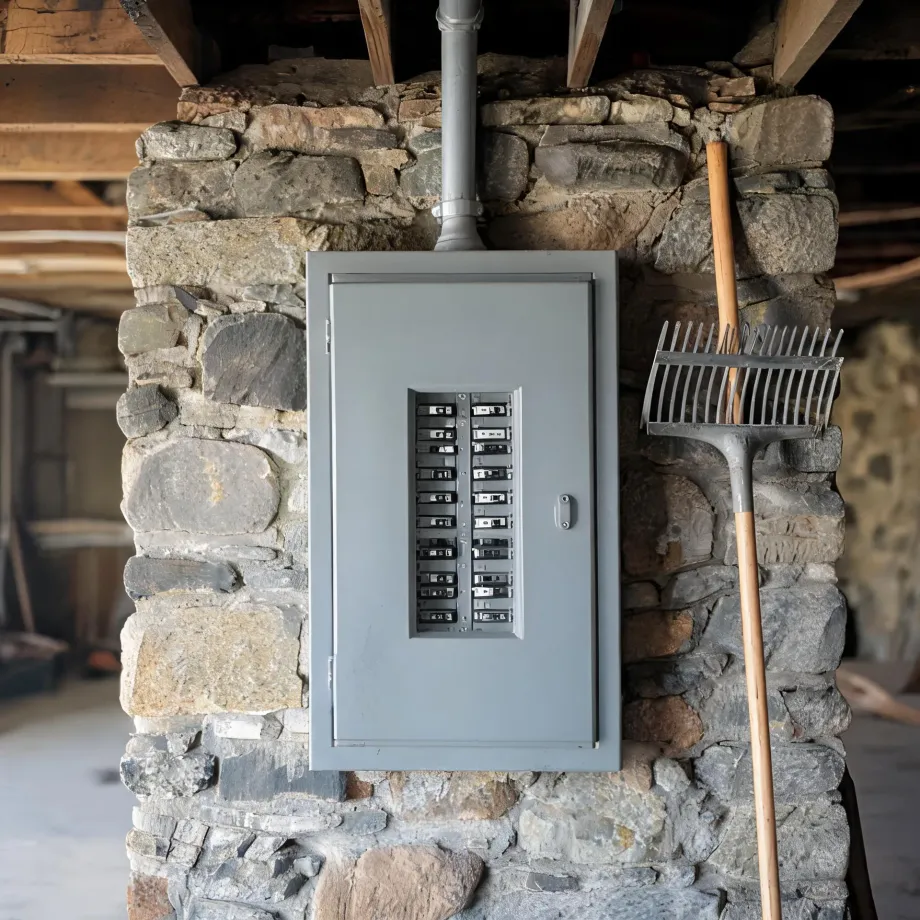
Refrigerant line sets and electrical service in a house this age were put in for whatever system was running decades before the current mini-split arrived. When a unit is opened for repair, what a contractor finds depends on how many hands have touched the infrastructure since the house was built. Half the homes in Washington County, Rhode Island were built in 1977 or earlier (2020-2024 ACS 5-year). That gap between original construction and current equipment is where a repair either stays routine or gets complicated, because a corroded line set or an undersized circuit changes the scope before any part is ordered.
The Parts of a Mini-split a Contractor Checks During Repair
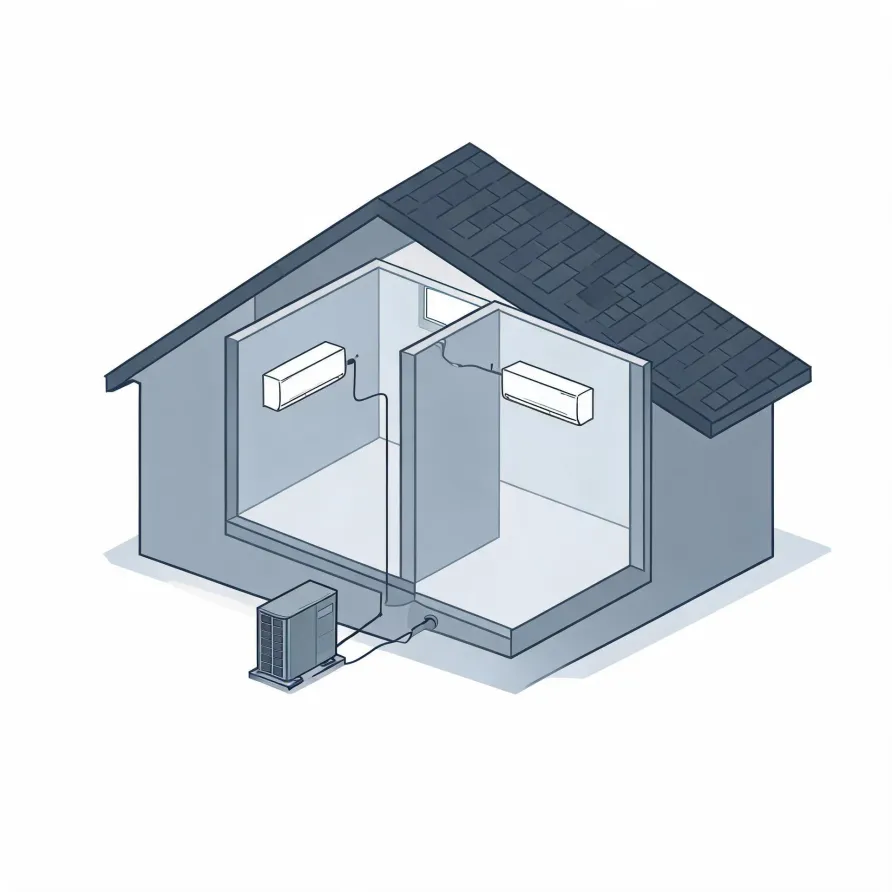
The indoor air handler mounts high on a wall inside the room and is the piece a homeowner notices most. It pulls room air across a coil and a set of fins, then pushes conditioned air back out. When that unit is the source of the problem, a contractor finds faults there: a frozen coil, a clogged drain line, a failing fan motor, or a sensor reading incorrectly.
The outdoor condenser sits on a pad or bracket outside the house and holds the compressor, a second coil, and the outdoor fan. The refrigerant line set and the condensate drain run between the two units, usually along an exterior wall. A fault anywhere in that path, from a refrigerant leak at a fitting to a blocked drain, shows up as reduced performance or a system shutdown indoors.
The drawing shows a typical layout, and a licensed contractor determines which components apply and what condition they are in for your specific installation.
Find a contractor in Washington CountyWashington County by the Numbers
166 severe weather events were recorded in Washington County, Rhode Island between 2015 and 2024.
NOAA National Centers for Environmental Information, Storm Events Database, bulk CSV export, events 2015-01-01 through 2024-12-31.Half the homes in Washington County, Rhode Island were built in 1977 or earlier (2020-2024 ACS 5-year).
U.S. Census Bureau, 2020-2024 American Community Survey 5-Year EstimatesWashington County, Rhode Island holds 66,385 housing units (2020-2024 ACS 5-year).
U.S. Census Bureau, 2020-2024 American Community Survey 5-Year EstimatesOwners occupy 77.5% of the occupied homes in Washington County, Rhode Island (2020-2024 ACS 5-year).
U.S. Census Bureau, 2020-2024 American Community Survey 5-Year EstimatesCodes & Standards Covering Mini-Split Repair in Washington County, Rhode Island2 sourced rules & standards
Licensing and Legal Requirements in Washington County, Rhode Island
A Rhode Island master licensee needs no separate sheet metal licence while the air handling equipment is ten (10) tons or less, or the heating equipment does not exceed 250,000 BTUs; above either figure the sheet metal work must be subcontracted to a licensed sheet metal contractor.
Rhode Island requires a licence from the Department of Labor and Training to work in the mechanical trades: nobody may hold themselves out as a master, or advertise that they will install refrigeration and air conditioning or air distribution systems, without one.
Weather Stress on HVAC Equipment in Washington County
Extreme weather events put direct strain on heating and cooling equipment, accelerating wear and pushing systems toward failure. For mini-split repair in Washington County, that local weather record is part of what shapes how hard the equipment has been working.
166 severe weather events, 2015–2024. Source: NOAA National Centers for Environmental Information, Storm Events Database.