Tell us about the job
Takes about a minute. No obligation.
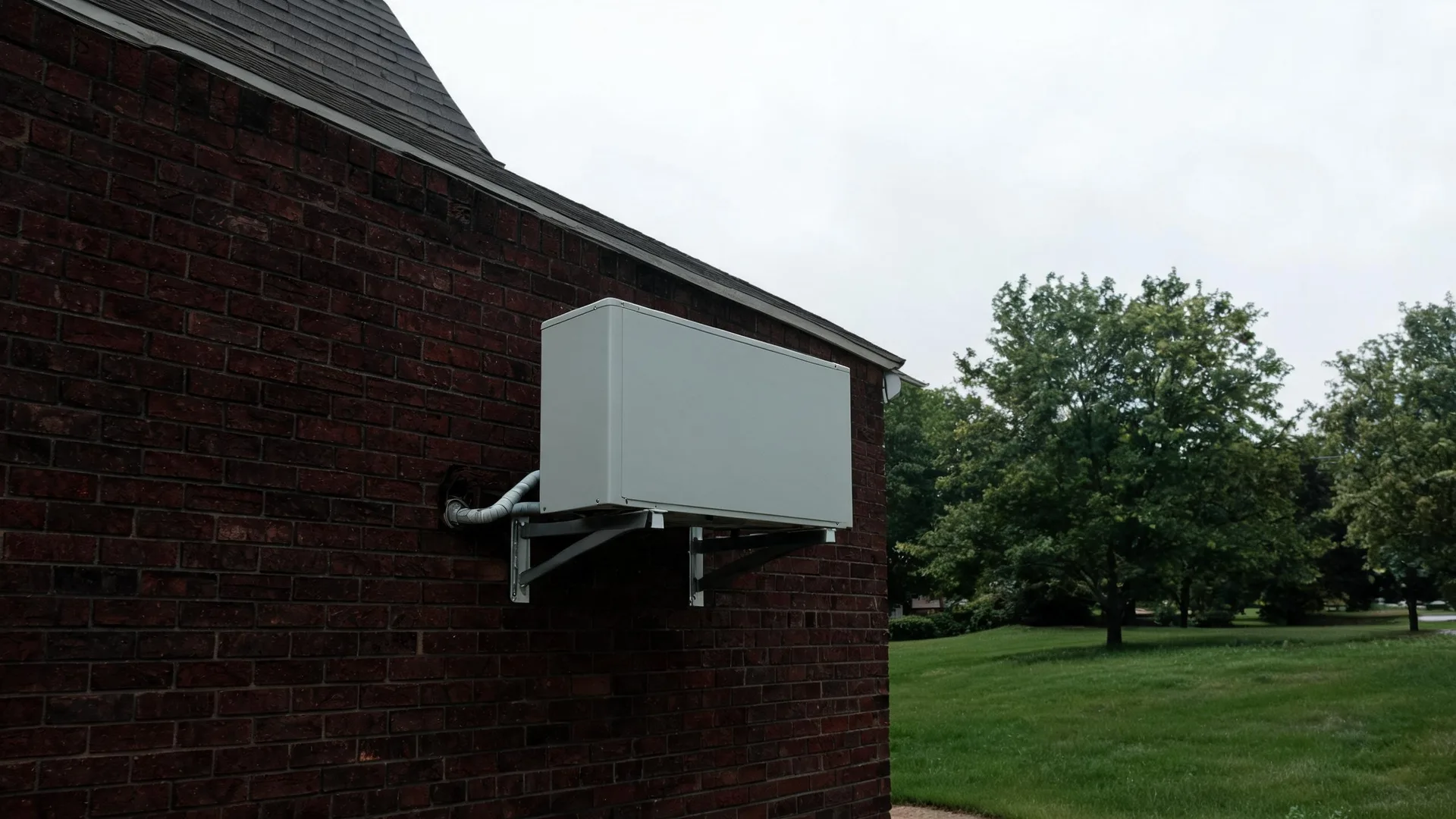
A mini-split serving a Washington County home is asked to work hard during a concentrated stretch, then stand idle through a long fall, winter, and spring. Homes in Washington County, RI run cooling about two months a year, from July through August. The compressor, the condenser fan, and the contactor each cycle through that load repeatedly, and a system that was undersized or loosely installed will show stress in those components sooner than the calendar might suggest. A contractor sizing a new unit here has to account for peak summer demand, not an average spread across the year, which means load calculations and refrigerant line sizing carry real weight in the quote.
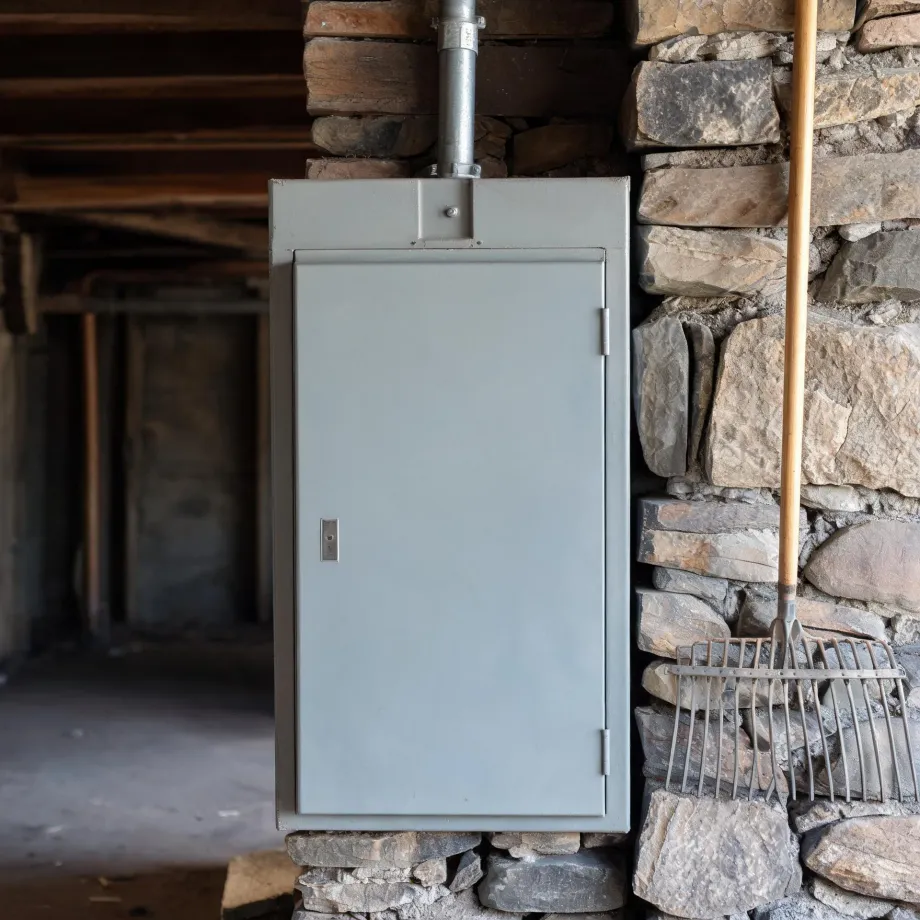
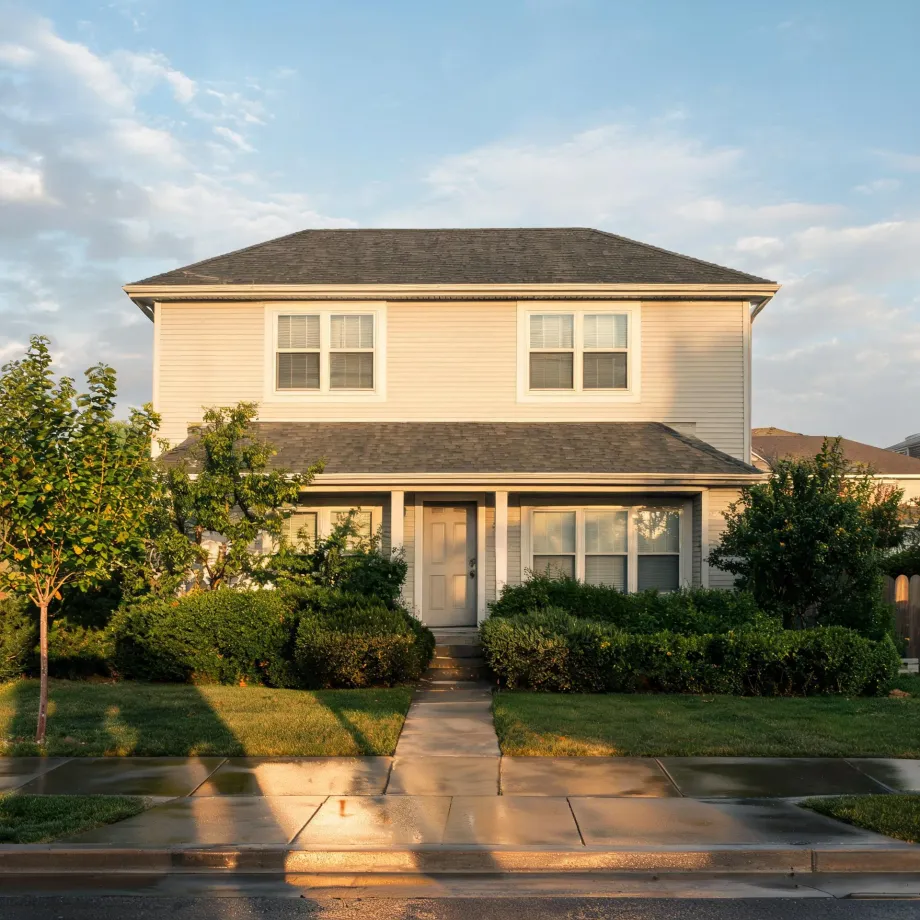
Older electrical panels are where mini-split installations in Washington County run into real decisions. Half the homes in Washington County, Rhode Island were built in 1977 or earlier (2020-2024 ACS 5-year). A house built to that point in time carried service sized for what was standard then, and a mini-split condenser draws more than what that service was planned around. A contractor has to pull the panel cover and read what is actually there before any equipment choice is final, because the panel is what sets the ceiling on the job.
The Parts of a Mini-Split System and What HVAC Installation Covers
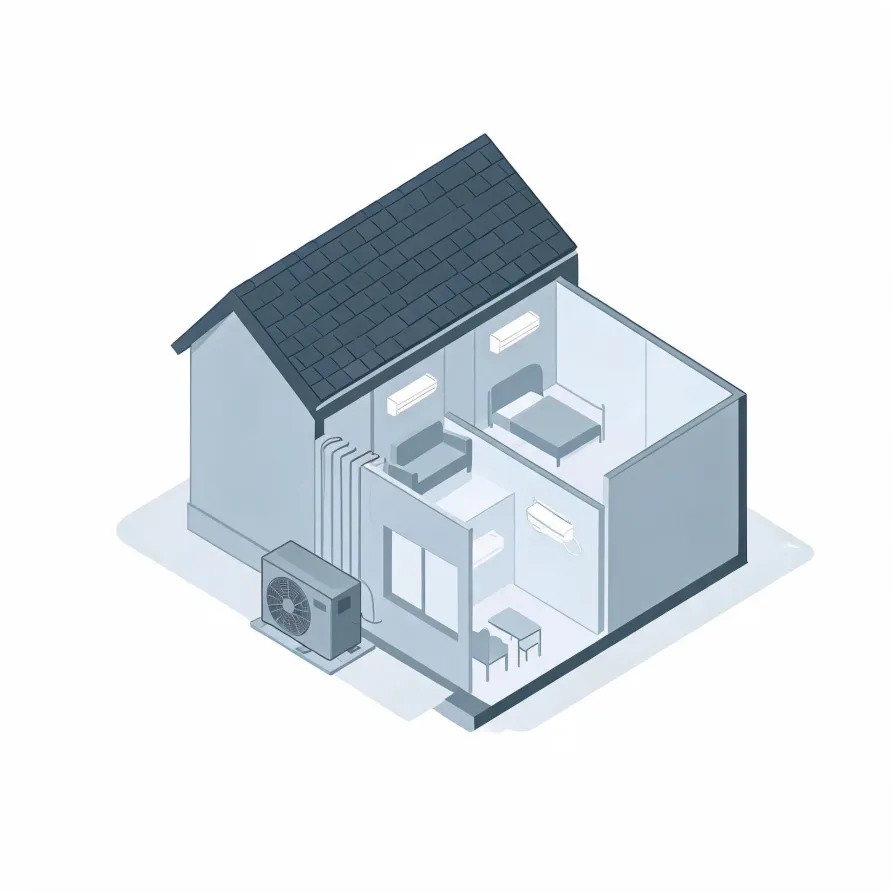
The indoor air handler mounts high on an interior wall in the room being conditioned. It is the unit a homeowner sees and lives with every day. The outdoor compressor unit sits on the ground or a bracket outside the home and houses the components that drive the whole system.
A set of refrigerant lines runs through a small penetration in the wall to connect the two units, and a condensate drain line carries moisture from the indoor handler to the outside. A dedicated electrical line feeds the outdoor unit, and a control wire runs alongside the refrigerant lines to carry signals between the two.
The drawing shows the general layout of a mini-split system, and a licensed contractor determines exactly how each piece applies to your house.
Find a contractor in Washington CountyWashington County, Rhode Island, by the numbers
166 severe weather events were recorded in Washington County, Rhode Island between 2015 and 2024.
NOAA National Centers for Environmental Information, Storm Events Database, bulk CSV export, events 2015-01-01 through 2024-12-31.Half the homes in Washington County, Rhode Island were built in 1977 or earlier (2020-2024 ACS 5-year).
U.S. Census Bureau, 2020-2024 American Community Survey 5-Year EstimatesWashington County, Rhode Island holds 66,385 housing units (2020-2024 ACS 5-year).
U.S. Census Bureau, 2020-2024 American Community Survey 5-Year EstimatesOwners occupy 77.5% of the occupied homes in Washington County, Rhode Island (2020-2024 ACS 5-year).
U.S. Census Bureau, 2020-2024 American Community Survey 5-Year EstimatesCodes & Standards Governing Mini-Split Installation in Washington County, Rhode Island2 sourced rules and standards
Licensing and Legal Requirements in Washington County, Rhode Island
A Rhode Island master licensee needs no separate sheet metal licence while the air handling equipment is ten (10) tons or less, or the heating equipment does not exceed 250,000 BTUs; above either figure the sheet metal work must be subcontracted to a licensed sheet metal contractor.
Rhode Island requires a licence from the Department of Labor and Training to work in the mechanical trades: nobody may hold themselves out as a master, or advertise that they will install refrigeration and air conditioning or air distribution systems, without one.
Weather Load in Washington County
Heating and cooling equipment in Washington County works against the local climate, not some average one. How hard a system runs, and how long it lasts, is a local question.
166 severe weather events, 2015–2024. Source: NOAA National Centers for Environmental Information, Storm Events Database.