

Running clean
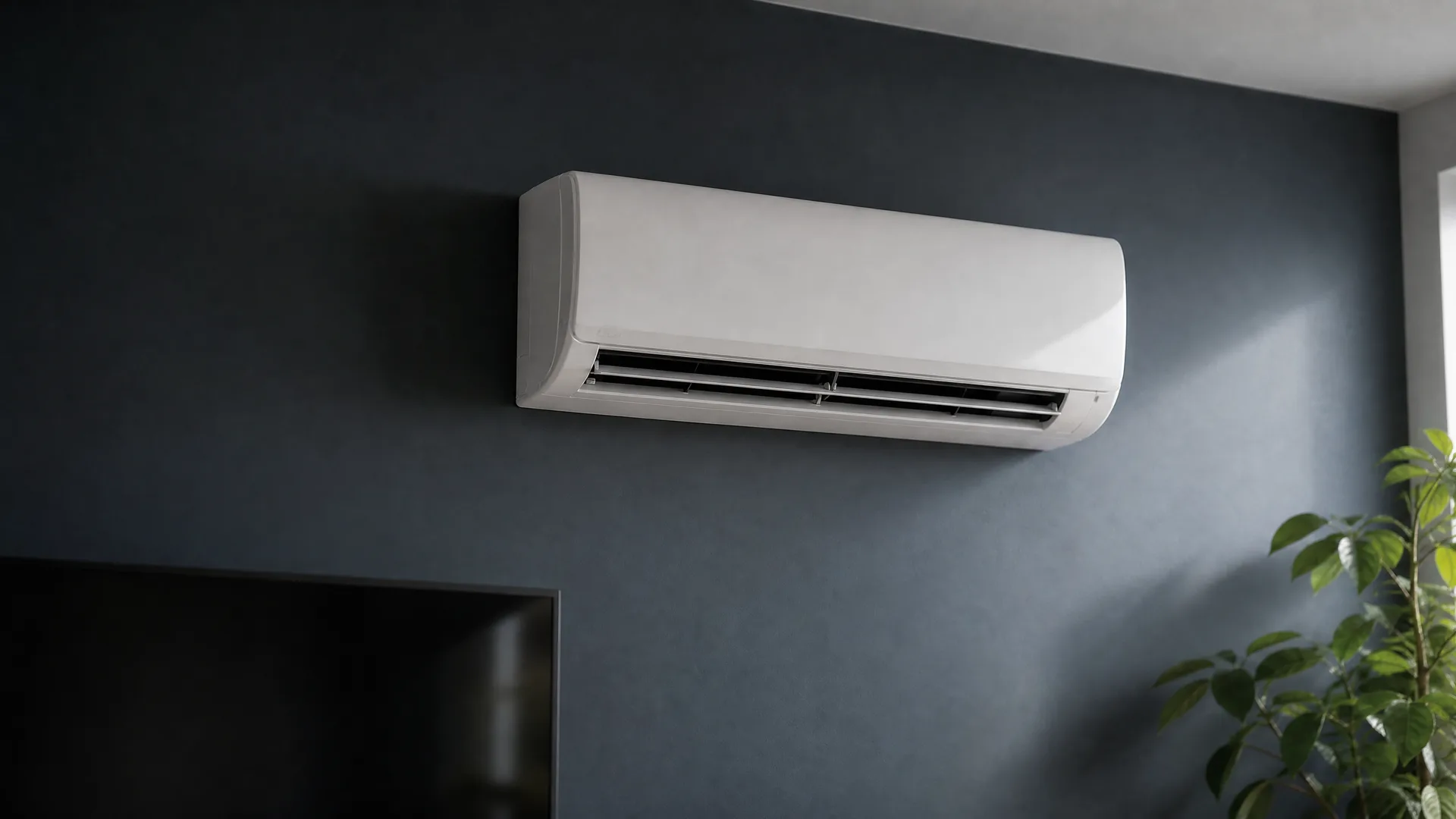
A mini split in good shape sits on the wall without drawing a second look. No smell when it kicks on, no dust ring around the vents, no streaks under the casing. Air comes out warm and the coils stay hidden, doing their job quietly.
A burning or musty smell from your mini split on heat mode usually means dust burning off the heating element inside the indoor unit. It builds up over the warm months when the unit sits idle, and the first heat of the season bakes it off the coils. That smell should clear in an hour or so once it runs. If it doesn't, or if it smells sour or like mildew instead, water is sitting somewhere it shouldn't, often in the drain pan or on the coil itself, and that points to a clogged condensate line or a unit that needs its coil cleaned. A sharp, electrical smell is different and more serious. That can mean a wiring problem or a failing motor, and it's worth shutting the unit off until someone looks at it. Since most Rhode Island homes heat with gas and lean on the mini split mainly for shoulder season or supplemental heat, a smell showing up right when you switch it on for the year is common and often nothing. A smell that lingers or changes character is the one to act on.


The heating element in your indoor unit sits right behind the filter. Dust that slips past the filter settles on the coil, and when the unit kicks on, that dust bakes onto the fins. That's the burning smell, and it usually clears once the unit has run a while. A musty smell is a different problem. That points to mold or algae sitting in the drain pan, left over from condensation all summer. The blower wheel is another spot dust and pet hair collect, and when it spins up, whatever's caught in the blades gets pushed straight into the room. If the smell is still there after a few hours of heat, the coil probably isn't the issue. A clogged condensate drain line can hold onto moisture and keep producing that smell long after a dusty coil would've burned clean. A sharp, chemical smell is its own category. That can mean wiring inside the indoor unit, and it's worth having someone look at before you run the system again.


A burning smell from dust is one thing. A musty or sour smell is another. That points to water sitting somewhere it shouldn't, usually in the drain pan or the condensate line under the indoor unit. Mini splits produce condensation even in heat mode when they're pulling double duty or when the outdoor unit is defrosting itself in cold weather. If that water isn't draining out through the line and outside, it sits in the pan and grows mold. Running the fan on heat then pushes that smell through the room instead of airing it out.
A clogged condensate line doesn't just cause odor. Once the pan fills past its limit, water backs up into the unit itself and can drip from the housing onto your floor or wall. Left alone, that moisture reaches the circuit board and electrical connections inside the indoor unit, which is a different and more expensive repair than clearing a line. Rhode Island's humid summers load that drain system hard for months before heat mode ever turns on, so by the time you smell something in the fall, the clog has usually been building since July or August.





Describe your mini split job once, to one pro.
After you send the request, you're done searching.
It costs nothing to send, and you don't have to hire anyone.


At 29.48 cents per kilowatt-hour, your mini split is already one of the pricier ways to heat a Rhode Island home. A unit running with a dirty coil or a clogged filter works harder to push out the same heat, and that shows up on your bill before it shows up as a repair.
EIA-861 2025 statewide residential average
A mini split in good shape sits on the wall without drawing a second look. No smell when it kicks on, no dust ring around the vents, no streaks under the casing. Air comes out warm and the coils stay hidden, doing their job quietly.

This is what sits behind a smell that won't quit. Dust and dark grime built up across the casing and filter mean the same mess is sitting on the coil behind it. That grime holds moisture, and moisture sitting on a dirty coil is what keeps a musty smell coming back long after the first hour of heat.
You just caught that smell again and now you're wondering if it means a real problem or if it's something you can let ride out. A burning smell sounds like trouble, and nobody wants to ignore a sign their mini split is failing. But dust burning off a coil isn't the same thing as a unit breaking down, and knowing which one you're dealing with changes what you do next.
A dust smell that clears up once the coil heats through isn't a sign of damage. It's just what happens when a heating element that's been off for months gets dust baked off it. If the smell is gone by the time the room feels warm, the unit is doing what it's supposed to do. What's worth paying attention to is a smell that keeps coming back every time the unit cycles, or one that doesn't fade at all. That points to dust buildup heavy enough that the filter and coil need a real cleaning, not just a few hours of runtime to burn through it. A musty smell is a different issue entirely, and worth treating that way.

Summer air in Rhode Island sits at a dew point around 61°F, going by NOAA's averages for June through August. That's the sticky, heavy kind of air that leaves moisture everywhere, including inside your mini split. The indoor unit pulls that humid air across its coils all summer, and some of it settles as condensation in the drain pan and line. When you switch over to heat mode and the unit sits idle less often, that dampness is still there, and it's what you're smelling when the musty odor shows up instead of a dry, dusty burning smell. The wetter the summer, the more likely that moisture lingers into fall.
NASA POWER T2MDEW county cells weighted by homes
You're probably catching it when you first switch over to heat, or every time the unit cycles on. Maybe it fades after an hour. Maybe the room still has a faint burnt or musty edge to it when you walk in later. You might see a haze on the wall above the unit, or notice the casing looks dingier than it used to. If the smell is sour instead of smoky, check for a damp patch on the wall below the unit or water near the drain line. Left alone, a dirty coil keeps burning dust every time it heats, and standing water in the drain pan can mold or back up and leak onto your floor or wall.

No smell, no dust on the housing, just warm air moving across the room. The vane opens clean and the panel underneath stays free of streaks. This is what your mini split looks like when there's nothing for you to chase down.

Dust and grime have built up across the casing and the vane isn't sitting right anymore. A unit left like this is usually where that burning smell on startup is coming from. Left alone, the buildup keeps feeding the smell every time the heat kicks on.

A burning smell on startup is dust on the coil. A musty one is water sitting where it shouldn't be. Either way, the smell is your mini split's way of telling you something it can't say outright, and the longer it runs that way, the more it costs you to heat the room. In a state where power runs 29.48 cents a kilowatt-hour, that adds up fast.
You don't have to figure out which one it is, or whether it's the filter, the coil, or the drain line. You don't have to search for someone who works on mini splits, call around for quotes, or explain the smell over and over to different people before one of them can actually take the job. Send the form and that part is off your plate. Someone who knows this system takes it from there.

Hand off the mini split problem